Caring for Your Area Rug: From Luxury Heirlooms to Budget Finds Worth Saving
Whether you spent five figures on a hand-knotted Persian or two hundred dollars on a rug that just happens to tie the room together — the right care routine costs far less than replacement. Here's how to protect both.

Why even an inexpensive rug deserves real care
There's a quiet assumption that maintenance is reserved for the heirloom Persian in the formal living room — and that the affordable rug in the family room is essentially disposable. In practice, the opposite is often true. A professional cleaning visit usually costs less than buying a comparable replacement rug, even on the budget end of the market.
More importantly, the rug you love isn't always the most expensive one. The piece that ties the room together, that finally made the furniture make sense, that the dog has claimed as her spot — that's the one worth protecting. Replacing the exact look, color, and size you settled on is rarely as easy as it sounds.
The care routine below applies whether your rug is a hand-knotted Tabriz or a machine-woven polypropylene flatweave from a big-box store. The materials differ, the techniques are the same.
Know what you're standing on
Before you clean anything, identify the rug. The fiber and the construction decide every cleaning choice you'll ever make on that piece. The fiber sits in one of three families: natural protein (wool, silk), natural cellulose (cotton, jute, sisal, seagrass), or synthetic (polypropylene/olefin, polyester, nylon, viscose).
Construction matters just as much. Hand-knotted rugs have individual knots tied to a warp foundation — these are the heirlooms. Hand-tufted rugs are gun-punched into a primary backing and glued to a secondary backing — beautiful, but the latex glue ages and breaks down with over-wetting. Machine-woven rugs (Wilton, Axminster) are durable workhorses. Flatweaves (kilims, dhurries) have no pile and need a different approach entirely.
If your rug has a label, photograph it. If it doesn't, take a clear photo of the back — a professional can usually identify both fiber and construction from the weave structure.
A quick tour of rug types worth knowing
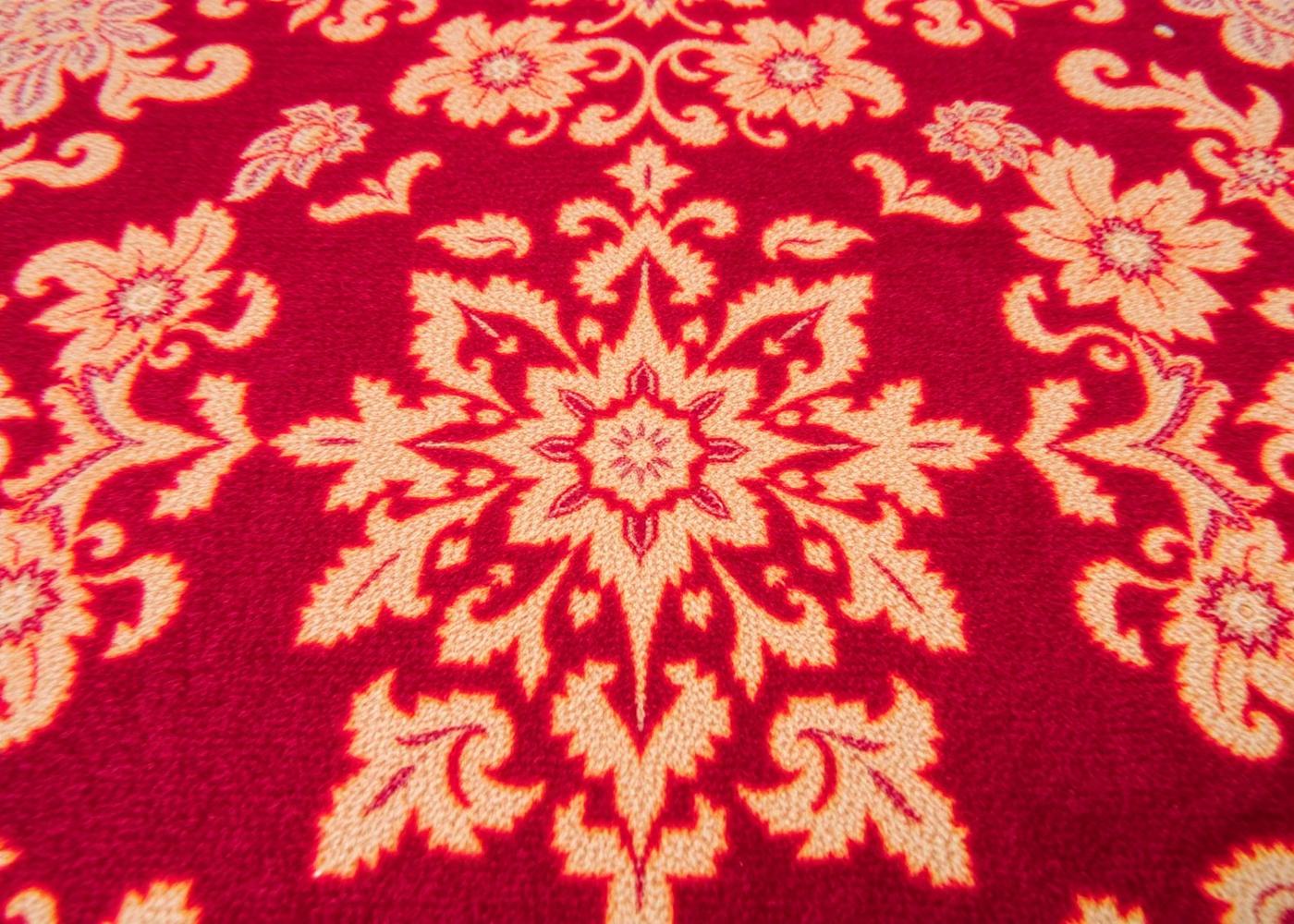
Persian and Oriental rugs — Tabriz, Kashan, Heriz, Bidjar, Qum, Isfahan from Iran; Hereke from Turkey; Bokhara from Central Asia. Hand-knotted wool (sometimes silk), high knot counts, traditional medallion or all-over patterns. With proper care, lifetimes run 50 to 100+ years.
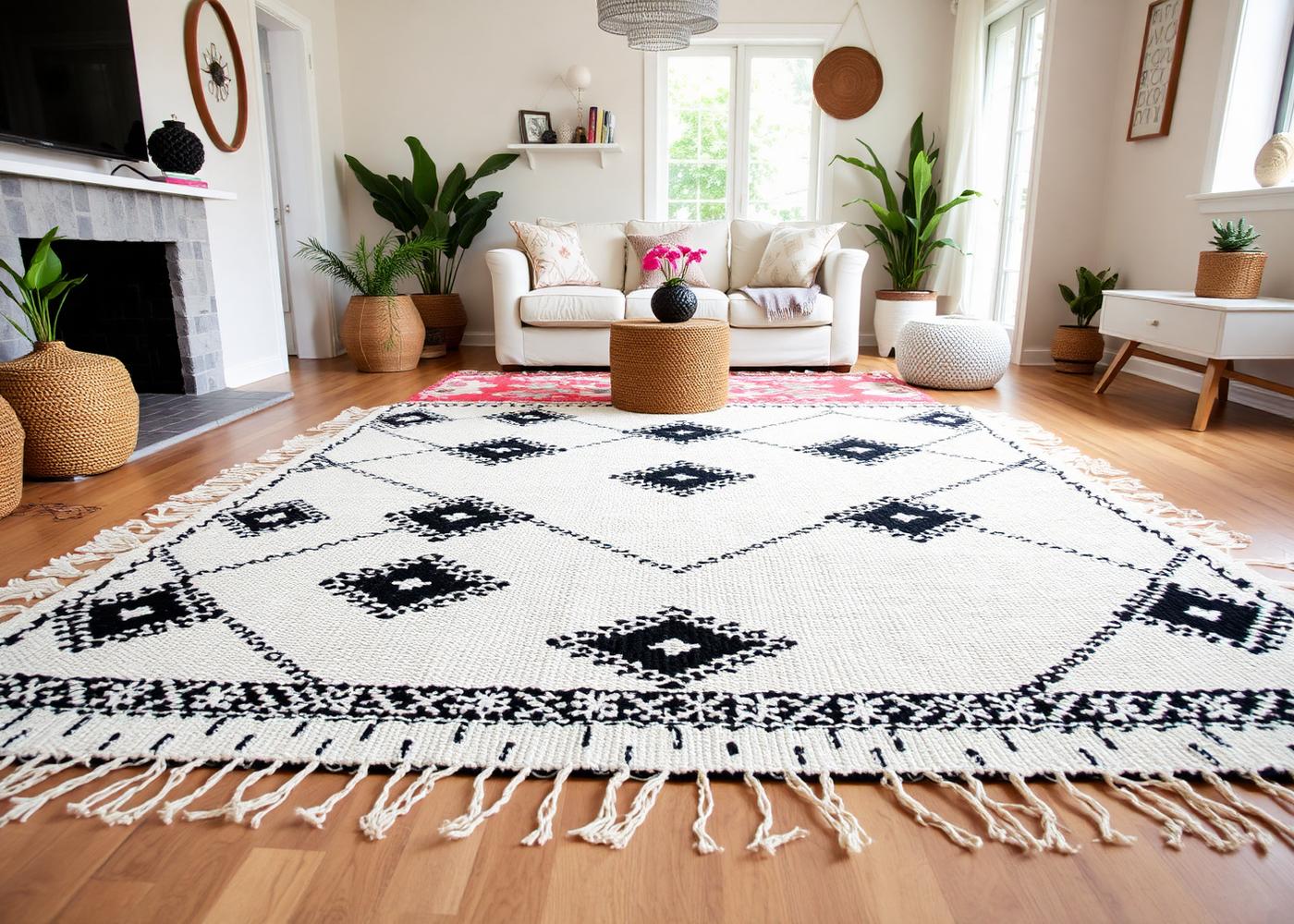
Moroccan rugs — Beni Ourain, Azilal, Boucherouite. Hand-knotted thick natural wool, cream backgrounds with bold geometric or freehand designs. Forgiving, modern-friendly, and surprisingly durable when cared for.
Indian and Pakistani rugs — Agra, Jaipur, Dhurrie flatweaves, Bokhara reproductions. Often wool or wool/silk blends, frequently more accessible than Iranian originals while still hand-made.
Tibetan and Nepalese rugs — Hand-knotted with the distinctive Tibetan knot, frequently wool or wool/silk, often modern abstract designs. Dense, plush, and built for daily use.
Contemporary designer and modern machine-woven rugs — wool, viscose, polyester, polypropylene blends. The bulk of today's affordable rug market. Easy to underestimate, easy to ruin with the wrong cleaner.
Natural fiber rugs — jute, sisal, seagrass. Earthy, beautiful, and the most water-sensitive category of all. Treat almost like paper.
The Moroccan and modern rug — same rules, different attitude
Beni Ourain and other Moroccan rugs feel forgiving because their cream-and-black palette hides a lot. They aren't. The thick natural wool pile traps fine dust deeply, and the un-dyed light field shows yellowing the moment grime builds up. Weekly vacuuming with suction only (no beater bar) keeps the wool bright.
Modern machine-woven rugs in synthetic fibers resist staining beautifully on day one, but their stain protection is a surface coating that wears off with traffic. Five years in, the same rug stains as easily as wool — and is harder to deep-clean at home because the dye chemistry is different. Schedule professional cleaning on the same calendar as your wool rugs.
The weekly routine that does most of the work
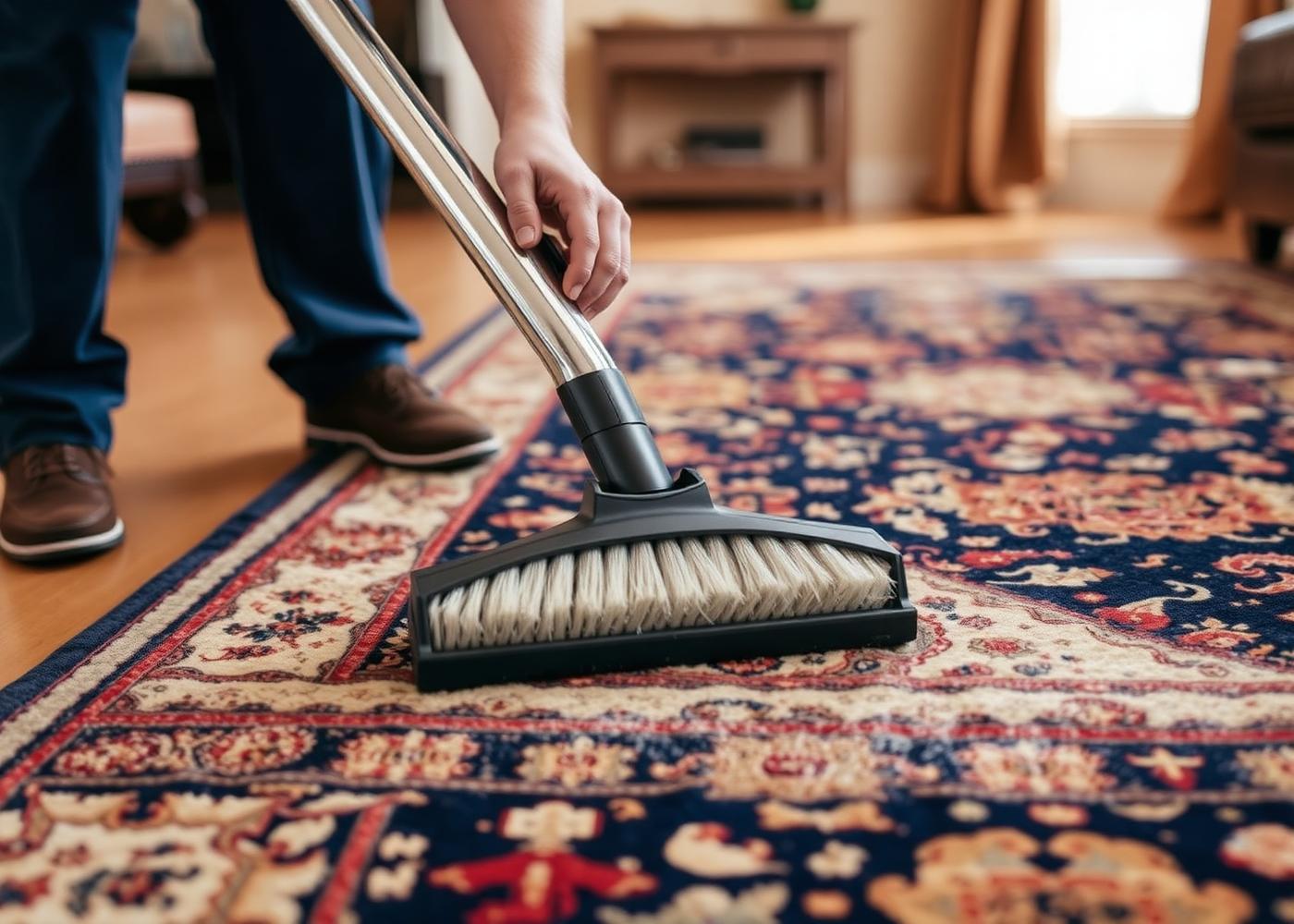
Vacuum once a week. Twice if you have pets or kids. Use suction only — turn the beater bar off, or use the upholstery / hard-floor attachment. Spinning brushes are the single biggest source of premature wear on wool rugs and will fuzz the surface of any plush pile.
Vacuum the back of the rug too, once a month. Lift it, fold it in halves, and run the vacuum over the underside. The grit that escapes the top of the pile settles at the base of the fibers — vacuuming from the back is the only way to dislodge it.
Rotate the rug 180° every six months. Sun fade, foot traffic, and furniture pressure are not evenly distributed. Rotation spreads all three so the rug ages evenly instead of developing a worn lane and a bright lane.
Use a rug pad. Always. A quality felt-and-rubber pad protects the foundation knots from being ground into the floor, prevents slipping, and adds an air cushion that keeps the pile from compressing flat. The pad itself often costs under $100 and adds years to the rug's useful life.
When something spills — the first sixty seconds
Liquid behaves predictably on a rug: it absorbs as long as the rug can take it. Stop the absorption fast and the spill stays where you can lift it. Wait, and it migrates into the foundation and the rug pad — and starts to wick back up every time humidity changes.
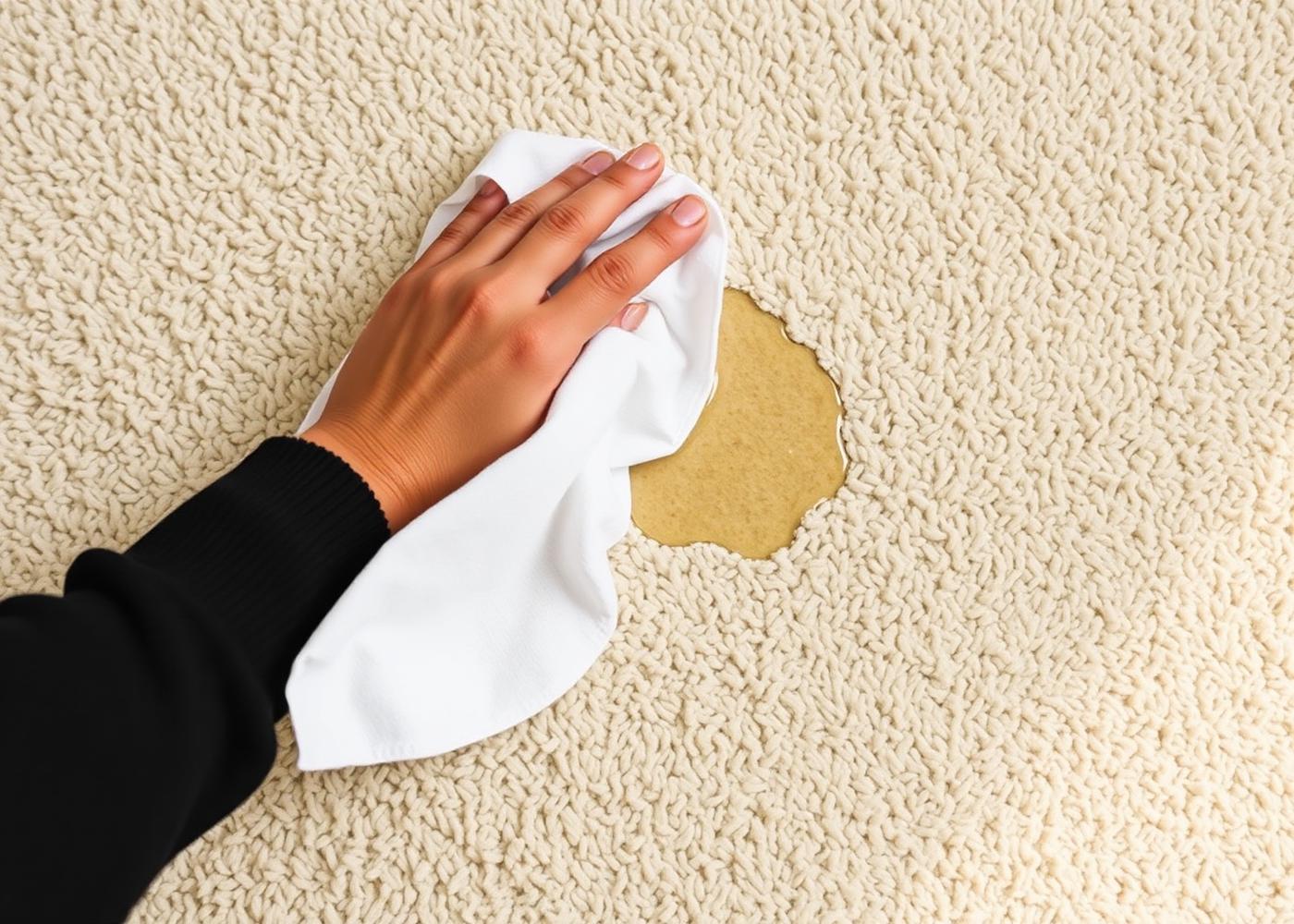
Get a clean, dry, white cotton towel onto the spill within sixty seconds. Press straight down with firm pressure. Do not rub — rubbing pushes liquid sideways into clean fibers and distorts the pile. Replace the towel and press again until it stops pulling moisture out.
For most water-based spills, cold water and a single drop of clear dish soap on a damp cloth, blotted from the outside of the spill inward, handles 80% of household accidents. Skip the bright-colored spotters from the grocery store — the dyes and brighteners in many of them leave a residue that attracts dirt back to the same spot forever.
On a hand-knotted, antique, silk, or viscose rug, stop after the initial blotting and call. Aggressive home treatment on those fibers almost always makes the eventual professional job harder.
What never to do — short list
Don't rent a grocery-store carpet shampoo machine and run it over an area rug. Those machines over-wet, leave heavy detergent residue, and almost guarantee browning on natural fibers and delamination on hand-tufted pieces.
Don't use a beater-bar vacuum on wool, silk, viscose, or any hand-knotted rug. The mechanical agitation breaks pile fibers and abrades the foundation.
Don't dry a wet rug in direct sun. Sun sets stains, fades dye on the wet side, and dries the rug unevenly. Dry flat in a shaded, well-ventilated area.
Don't use bleach, peroxide, vinegar, or club soda on anything you care about. Each has a very specific appropriate use and a long list of fibers it will permanently damage. When in doubt, blot with cold water and call a professional.
Don't store a rug rolled in plastic. Plastic traps moisture, which causes mildew and dry rot. Roll the rug pile-in, wrap in breathable cotton sheeting, and store off the floor in a dry, climate-stable space.
The professional cleaning rhythm
Hand-knotted Persian, Oriental, Tibetan, and antique rugs: full immersion wash every 2 to 4 years in normal-traffic homes; every 12 to 18 months in pet households or high-traffic family rooms. Done properly, an immersion wash flushes decades of fine grit out of the foundation that no surface cleaning can reach.
Hand-tufted, modern wool, and machine-woven wool rugs: in-home or in-plant steam extraction every 12 to 18 months. Annually for pet households.
Synthetic and indoor-outdoor rugs: in-home steam extraction every 12 months. The stain protection layer can be reapplied at the same visit for another year of spill resistance.
Natural fiber rugs (jute, sisal, seagrass): low-moisture dry cleaning only. Never wet wash. Every 12 to 18 months at most.

The honest math on care vs. replacement
A typical 8x10 professional cleaning runs a fraction of the cost of a comparable replacement rug — and a small fraction of the cost of a hand-knotted one. Even on the most affordable end of the market, the cleaning usually costs less than re-buying, re-shipping, and re-deciding on the same look.
And there's the part that doesn't fit on the receipt: you already chose this rug. The color works with the sofa, the size fits the room, the texture feels right under bare feet. Replacing it means restarting that whole decision. Caring for it means keeping what you already chose well.
Whether your rug is a five-figure investment or a hundred-dollar piece that just happens to anchor the room, our Orange County crews handle in-home steam extraction, in-plant immersion washing, pet decontamination, and fiber protection. Call 949-393-5323 for a same-day quote.